What Are Probiotics in Skincare and Do They Work?

You may know probiotics as the beneficial microorganisms associated with gut health, but probiotics are also used in skincare to support the skin microbiome and skin barrier. So, what are probiotics in skincare, and do they actually work?
Probiotic skincare refers to products formulated with probiotics, probiotic-derived ingredients, fermented ingredients, or postbiotics designed to support the skin’s microbiome. Research suggests that topical probiotics and probiotic-derived ingredients can help support the skin barrier, soothe the appearance of stressed skin, and promote a more balanced-looking complexion.
Here’s what to know about probiotics in skincare, how they work, their potential benefits, and how to incorporate them into your routine.
What Are Probiotics in Skincare?
Probiotics are microorganisms that can provide a health benefit when used in the appropriate environment. In foods and supplements, probiotics are most commonly associated with the gut. In skincare, probiotic technology is used topically with the goal of supporting the skin’s natural microbiome.
The term “probiotic skincare” can refer to several different types of ingredients, including live microorganisms, bacterial lysates, fermented ingredients, and postbiotics. Not every product marketed as probiotic skincare contains live bacteria.
This distinction matters because live microorganisms can be difficult to keep stable in a cosmetic formula. As a result, many skincare products use probiotic-derived ingredients, such as lysates or ferments, that can deliver skin benefits without requiring live bacteria to remain active in the product.
At the center of this approach is the skin microbiome—the community of microorganisms that naturally lives on the skin and interacts with the skin barrier and its surrounding environment.
What Is the Skin Microbiome?
The skin microbiome is the ecosystem of bacteria, fungi, and other microorganisms that live on and within the skin. While the word “microorganism” may sound concerning, many of these organisms are a normal and important part of healthy skin.
The skin microbiome works alongside the skin barrier to help:
- Support the skin’s natural defenses
- Maintain a healthy skin environment
- Help regulate interactions between the skin and its surrounding microorganisms
- Support the skin’s natural pH
- Contribute to overall skin resilience
When the skin barrier or microbiome becomes disrupted, skin may look and feel dry, tight, rough, or more reactive.
Factors such as over-cleansing, excessive exfoliation, environmental stress, and changes in the skin’s moisture balance can affect the skin barrier and its surrounding microbial environment. That’s why microbiome-focused skincare takes a different approach from products designed simply to exfoliate or remove oil: the goal is to support the skin’s natural ecosystem rather than unnecessarily disrupt it.
How Do Probiotics Work in Skincare?
The way a probiotic skincare product works depends largely on the type of ingredient it contains.
Live probiotics contain living microorganisms. In theory, topical live microorganisms could interact with the existing skin microbiome. However, maintaining live microorganisms in a stable, effective cosmetic formula can be challenging. Because of this, live probiotics are less common in conventional skincare formulations than probiotic-derived ingredients.
Bacterial lysates are ingredients derived from bacteria that have been broken down into smaller components. They are not live bacteria and cannot colonize the skin. Instead, these bacterial components can interact with skin cells and help support processes associated with the skin barrier and skin's natural response to environmental stress.
Fermented skincare ingredients are produced through a fermentation process involving microorganisms. Fermentation can transform an ingredient and produce compounds such as organic acids, peptides, enzymes, and other metabolites. Fermented ingredients are not necessarily probiotics, but they are often included in microbiome-focused skincare because of their potential to support the skin and complement other ingredients in a formula.
Postbiotics are preparations of inanimate microorganisms and/or their components that provide a health benefit to the host. They can include microbial components and compounds produced during microbial activity. In skincare, postbiotic ingredients are being studied for their potential to support the skin barrier, soothe the appearance of stressed skin, and promote a balanced skin environment.
What Are the Benefits of Probiotic Skincare?
The research on probiotics for skin is still developing, but the evidence so far points to several meaningful benefits for topical use.
1.Supports the Skin Barrier
One of the most promising areas of probiotic skincare research is skin barrier support. The skin barrier helps reduce moisture loss and protects skin from external stressors. Ingredients that support barrier function can help skin retain moisture, which may leave it feeling softer, smoother, and more comfortable. This makes microbiome-focused ingredients particularly interesting for skincare routines designed around hydration, moisturization, and maintaining a healthy-looking skin barrier.
2.Calming Visible Redness and Sensitivity
Some probiotic-derived ingredients have been studied for their ability to support the skin’s natural inflammatory response. For skin that looks visibly stressed or feels uncomfortable, a well-formulated microbiome-focused product may help skin look calmer and more balanced over time.
3.Supports a Balanced-Looking Complexion
The skin microbiome is closely connected to the overall skin environment. Supporting that environment may help maintain a complexion that looks clearer, more even, and balanced. However, probiotic skincare should not be considered a replacement for targeted acne treatments or medical care for persistent skin concerns.
4.Enhancing the Effectiveness of Other Ingredients
A healthy skin barrier and a balanced microbiome also create better conditions for other active ingredients to work. When the skin is not in a reactive state, it can respond more consistently to brightening, hydrating, and resurfacing ingredients.
5.Helps Maintain Skin Resilience
Healthy-looking skin depends on more than one ingredient or process. A strong moisture barrier and balanced skin environment can help skin better withstand everyday stressors such as cleansing, weather changes, and environmental exposure. For that reason, microbiome-supporting skincare can be a useful part of a routine focused on maintaining skin health and resilience over time.
Do Probiotics in Skincare Actually Work?
Yes. Research suggests that certain topical probiotic-derived ingredients, lysates, ferments, and postbiotics may support the skin barrier and help improve the appearance and feel of stressed or imbalanced skin. However, probiotic skincare is not one standardized category. Different products use different microorganisms, extracts, lysates, ferments, and postbiotics, so results from one ingredient cannot automatically be applied to every product labeled “probiotic.” It’s also important to distinguish probiotic skincare from oral probiotics. Taking a probiotic supplement and applying a probiotic-derived ingredient to the skin are different approaches with different mechanisms of action. The best way to evaluate a probiotic skincare product is to look at the specific ingredients, formulation, clinical or consumer testing, and the skin benefits the product is designed to provide.
Who Should Use Probiotic Skincare?
Because the skin microbiome is part of everyone's skin, microbiome-focused skincare can fit into many different routines.
You may want to consider probiotic skincare if:
Your skin feels dry or tight. Look for formulas that combine microbiome-supporting ingredients with proven moisturizing and barrier-supporting ingredients. Your skin looks stressed or reactive. A gentle, fragrance-free formula may be a good addition to a routine focused on maintaining skin comfort. You want to support your skin barrier. Probiotic-derived ingredients can complement a routine centered around hydration and barrier care. You want a preventative approach to skin health. Supporting the skin barrier and maintaining a balanced skin environment can be part of a long-term skincare routine.
Probiotic ingredients are also well suited for layering. Because they support rather than disrupt the skin's natural processes, they tend to be compatible with most actives, including squalane, vitamin C, niacinamide, and peptides.
How to Use Probiotic Skincare in Your Routine
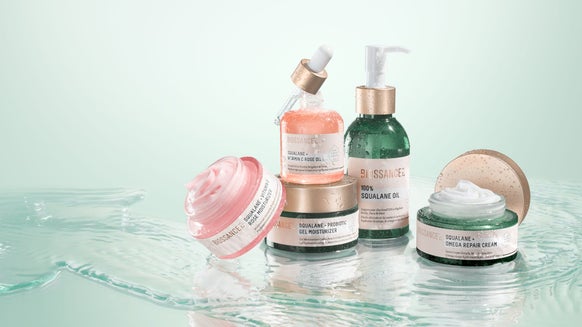
A probiotic moisturizer works great as the sealing step, locking in hydration while delivering ongoing microbiome support throughout the day or night. The Squalane + Probiotic Gel Moisturizer fits naturally here, combining probiotic technology with squalane in a lightweight gel texture that supports a balanced, hydrated-looking complexion without heaviness.
In general, probiotic and probiotic-derived skincare ingredients can be incorporated into routines that contain other active ingredients. However, compatibility depends on the specific formula.
If your skin is sensitive or easily irritated, introduce new products gradually rather than adding several new actives at once. Follow the product's directions and pay attention to how your skin responds.
There is also no universal rule that probiotic skincare cannot be used with exfoliating acids. Some formulas may be compatible with acids, while others may be designed for a gentler routine. Always follow the manufacturer's usage instructions rather than assuming that all probiotic ingredients behave the same way.

$49.00
Probiotic Skincare vs. Prebiotics and Postbiotics
You may also see the terms prebiotics and postbiotics when shopping for microbiome skincare. Although they are related, they are not interchangeable.
Probiotics: Live microorganisms intended to provide a beneficial effect when used in the appropriate environment. In skincare, they are designed to support the skin’s microbiome. Prebiotics: Substrates that are selectively used by microorganisms. In skincare, they can help support beneficial microorganisms within the skin’s natural environment. Postbiotics: Preparations of inanimate microorganisms and/or their components that provide a benefit. In skincare, they can help support the skin environment and skin barrier.
The terminology can be confusing because skincare formulas don't always use these terms consistently. Looking at the actual ingredient list and product claims can provide more useful information than the label alone.
Biossance and Probiotic Skincare
Biossance approaches probiotic skincare with the same focus on effective, thoughtfully formulated ingredients used throughout the brand's skincare collection.
The Squalane + Probiotic Gel Moisturizer combines squalane with probiotic technology in a lightweight gel moisturizer designed to help hydrate skin and support a balanced, healthy-looking complexion. Its lightweight texture makes it easy to incorporate into a daily skincare routine, especially for anyone looking for hydration and moisture without a heavy feel. The formula is also fragrance-free, paraben-free, sulfate-free, and phthalate-free.
$49.00
The Bottom Line: Are Probiotics Good for Your Skin?
Probiotics and probiotic-derived ingredients can help support the skin microbiome, skin barrier, hydration, and a balanced-looking complexion. However, not all probiotic skincare products are formulated the same way, and the benefits depend on the specific ingredient and formulation.
If you're interested in microbiome skincare, look for products that combine probiotic or probiotic-derived technology with ingredients that support hydration, moisturization, and the skin barrier. For a lightweight option that combines microbiome-focused technology with moisturizing squalane, try Biossance's Squalane + Probiotic Gel Moisturizer.
Frequently Asked Questions About Probiotics in Skincare
Probiotic and probiotic-derived skincare ingredients are designed to support the skin's microbiome and natural barrier. Depending on the ingredients and formulation, they may help support hydration, skin barrier function, and a calmer, more balanced-looking complexion.
Probiotic-derived ingredients may be a useful addition to a routine focused on supporting the skin barrier and maintaining skin comfort. However, sensitivity varies from person to person, so it's best to introduce new products gradually and choose gentle formulations.
Probiotic skincare may help support a balanced skin environment, but it should not be considered a standalone acne treatment. If you have persistent or severe breakouts, consult a dermatologist about appropriate treatment options.
Probiotics are live microorganisms, while postbiotics are preparations of inanimate microorganisms and/or their components that provide a health benefit. In skincare, postbiotic ingredients can offer microbiome-focused benefits without requiring live microorganisms to remain active in the formula.
Many probiotic and probiotic-derived skincare products are designed for daily use. Follow the specific product's directions and introduce new products gradually if your skin is sensitive.
Research suggests that certain probiotic-derived ingredients and postbiotics may support skin barrier function. A healthy skin barrier helps reduce moisture loss and keep skin feeling hydrated, smooth, and comfortable.
No. Fermented ingredients are created through a fermentation process, while probiotics are microorganisms intended to provide a beneficial effect. A skincare product can contain fermented ingredients without containing probiotics.
$49.00